Protect Your Credit Score Against Today's Evolving Threats.
Regularly monitoring your credit report helps safeguard your financial identity and maintain a healthy credit profile. Access the tools you need to protect, monitor, and manage your credit with confidence.
Checking Your Credit Score Will Not Affect
Your Score

Credit Score Report
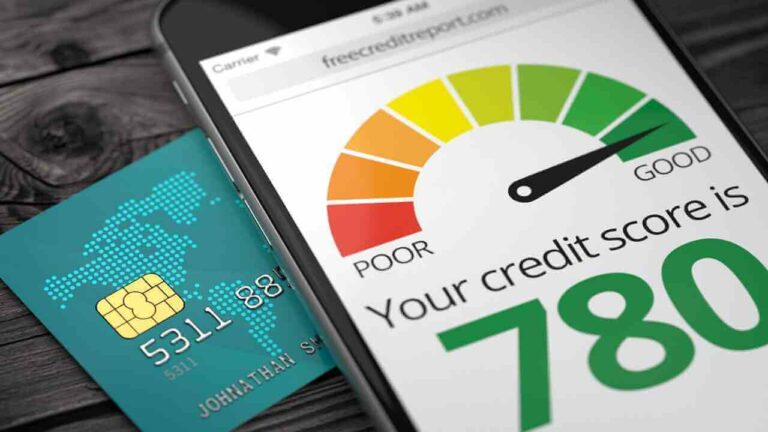
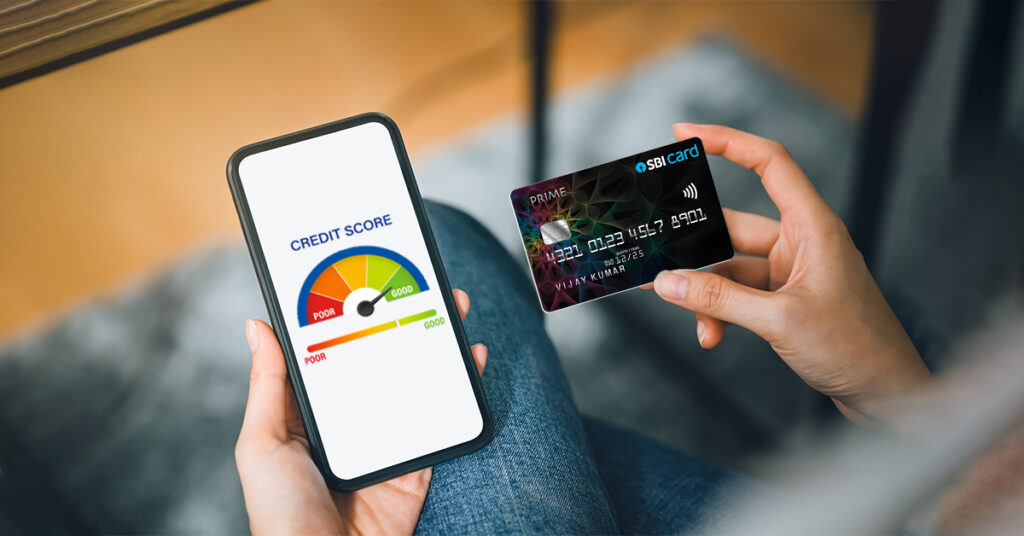
Gain valuable insight into your financial health with a comprehensive Credit Score Report. Review your current credit score, payment history, account details, and key factors that may impact your credit profile. Regular monitoring helps you identify inaccuracies, detect potential identity theft, and make informed financial decisions with confidence.
Credit Monitoring Alerts
Monitor your credit with confidence through real-time alerts that notify you of key changes to your credit profile. Stay informed about new accounts, credit inquiries, and other important updates so you can quickly identify potential fraud, safeguard your identity, and maintain a healthy credit profile.
Credit Score Factors
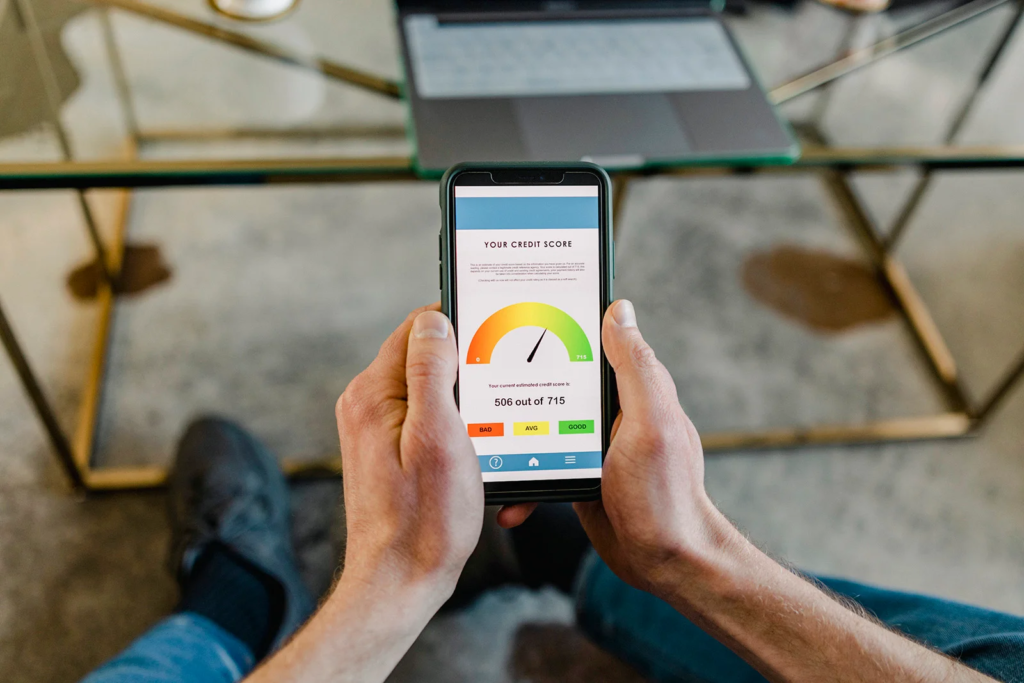
Understand the key factors that influence your credit score and overall financial health. Gain insight into payment history, credit utilization, length of credit history, credit mix, and recent credit inquiries. By understanding how these factors affect your score, you can make informed financial decisions and build a stronger, healthier credit profile.
How It Works
- Quick Input: Enter your basic information securely – name, address, and social security number – to kickstart your credit journey.
- Instant Access: Gain immediate access to your credit report from major bureaus like Equifax, Experian, and TransUnion, all in one place.
- Score Unveiled: Watch as our advanced algorithms crunch the numbers to reveal your credit score, reflecting your financial standing with precision.
- Insightful Breakdown: Get a clear breakdown of what factors impact your score the most, empowering you with actionable insights.
- Personalized Advice: Receive tailored recommendations to boost your score, from debt management strategies to credit-building tactics, personalized just for you.
- Stay Vigilant: Keep an eye on your credit health with our monitoring services, receiving instant alerts for any changes in your report.
- Empowering Resources: Dive into our wealth of educational resources and tools to deepen your understanding of credit scores and financial management.
Protections
Privacy & Alerts
Secure Access: Ensure the website uses encryption and secure protocols to safeguard your personal information during credit score retrieval.
Identity Verification: Confirm that the platform employs stringent identity verification measures to prevent unauthorized access to your credit report.
Data Protection: Verify that your personal data is handled in compliance with privacy regulations such as GDPR or CCPA, with strict policies against unauthorized sharing or misuse.
Real-Time Monitoring: Opt for services that offer real-time alerts for any suspicious activity or changes in your credit report, empowering you to act swiftly against potential fraud.
Customizable Alerts: Look for flexibility in alert settings, allowing you to tailor notifications based on your preferences and risk tolerance.
Multi-Bureau Monitoring: Choose platforms that monitor your credit report across multiple major bureaus like Equifax, Experian, and TransUnion for comprehensive coverage.
Privacy Policies: Review the platform’s privacy policies thoroughly to understand how your data is collected, stored, and utilized, ensuring transparency and accountability.
Data Security Measures: Ensure the platform employs robust security measures such as encryption, firewalls, and intrusion detection systems to protect your sensitive information from cyber threats.
24/7 Support: Opt for services with dedicated customer support available round-the-clock to address any privacy concerns or technical issues promptly.
Educational Resources: Seek platforms that offer educational resources on privacy best practices and credit management, empowering you to make informed decisions and protect your financial well-being.
Privacy & Alerts
Strong Passwords: Use complex, unique passwords for your credit score accounts, and consider using a password manager for added security.
Two-Factor Authentication (2FA): Enable 2FA wherever possible to add an extra layer of protection to your accounts, requiring a code or authentication token in addition to your password.
Regular Credit Report Checks: Monitor your credit report regularly for any unauthorized activity or inaccuracies that could signal potential identity theft or fraud.
Beware of Phishing: Be cautious of unsolicited emails, texts, or calls asking for personal or financial information. Verify the legitimacy of requests from financial institutions before providing any sensitive data.
Secure Wi-Fi Networks: Use secure, password-protected Wi-Fi networks, especially when accessing sensitive financial information or credit score websites.
Update Software Regularly: Keep your devices and software up-to-date with the latest security patches and updates to protect against vulnerabilities exploited by cybercriminals.
Shred Sensitive Documents: Dispose of physical documents containing personal or financial information securely by shredding them to prevent identity theft.
Limit Information Sharing: Be cautious about sharing personal information online, especially on social media platforms, and avoid oversharing details that could be used to compromise your identity.
Freeze Your Credit: Consider freezing your credit with major credit bureaus to prevent unauthorized access to your credit report and protect against fraudulent account openings.
Stay Informed: Stay informed about cybersecurity best practices and evolving threats to ensure you’re equipped to protect your credit score and personal information effectively.
Get Your 3 Bureaus Credit
Score & Report Now!
- TrasnUnion
- Experian
- Equifax
Copyright © 2015 – 2026 • All rights reserved.